Some Drone Work Isn’t Content , It’s Precision Operations
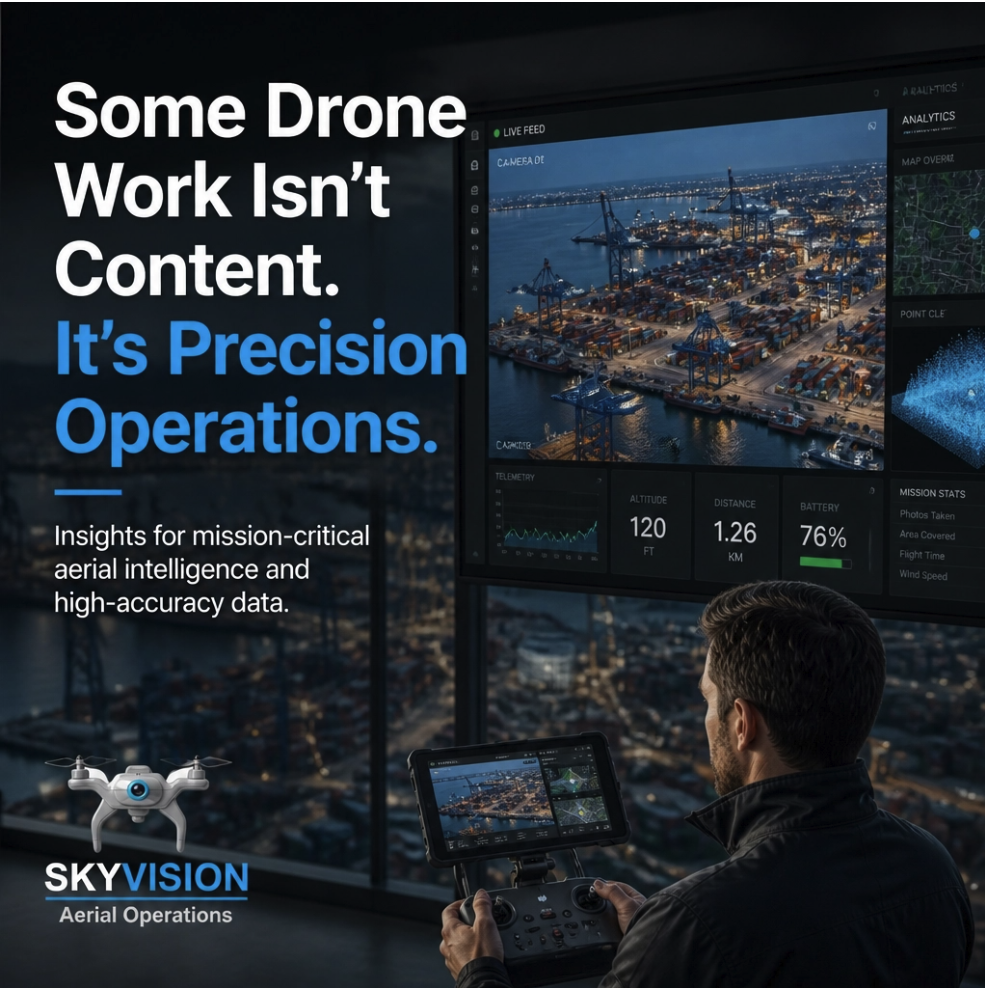
There’s a certain kind of mission where everything has to go right the first time.
Not eventually. Not after a few attempts. Right now.
It could be a live broadcast unfolding in real time, with thousands of people watching and no second take available. It could be an inspection inside a structure where GPS disappears and the margin for error disappears with it. It could be a tight interior flight through obstacles where one bad move ends the mission instantly. Or it could be a critical infrastructure assessment where safety is not just a priority, but the entire operation.
Different environments. Same reality. Failure isn’t an option.
That is where the conversation around drones starts to shift. Most people still think in terms of content. They picture cinematic flyovers, smooth reveal shots, and beautiful footage captured in ideal conditions. And yes, that work matters. But this is something different.
The Shift: From Content to Precision Instruments
Some drone work is not about aesthetics first. It is about control, timing, and execution under pressure.
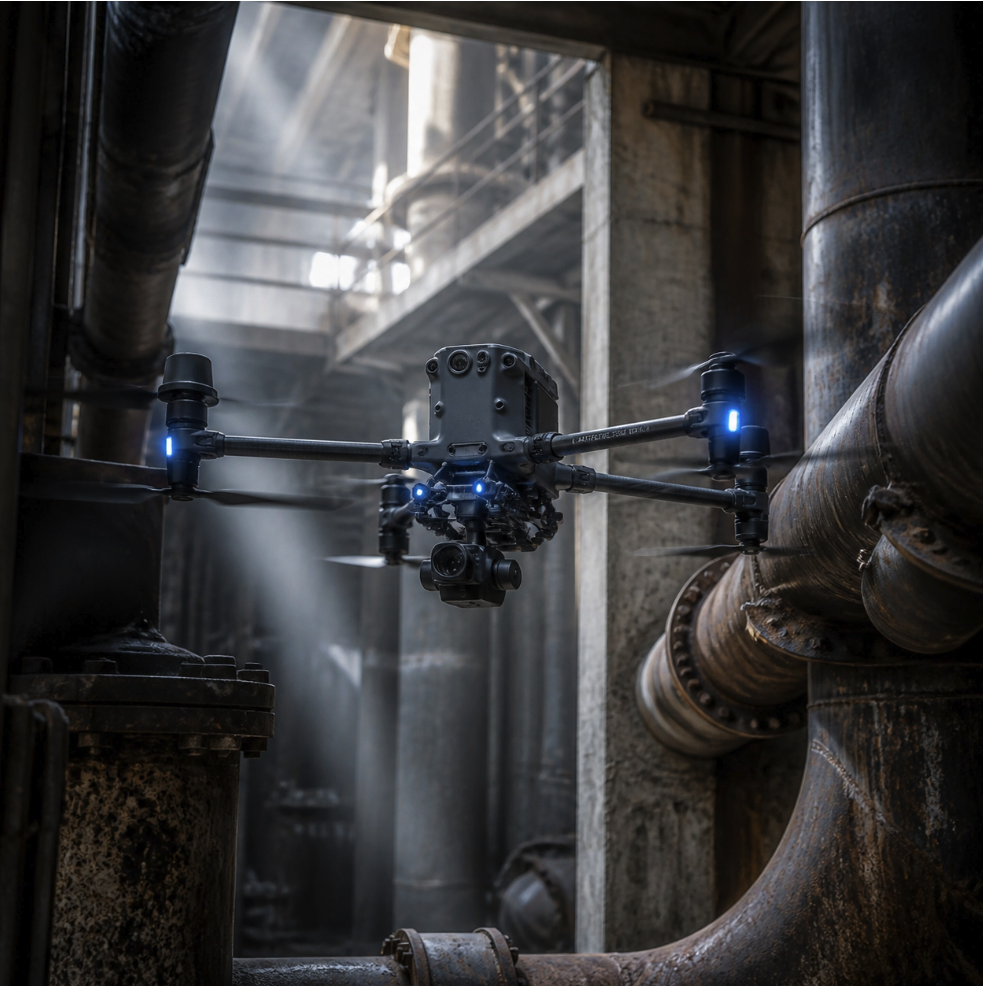
In these environments, pilots often work without GPS and rely on orientation, discipline, and manual control instead of automation. They move through confined spaces where every inch matters, operate near structures and active systems where precision is mandatory, and capture live moments where timing has to be exact because there is no opportunity to redo the shot.
In those situations, the drone stops being just a camera. It becomes a precision instrument.
The Evolution of Aerial Capability
For years, this level of aerial execution, especially in live or complex environments, usually meant bringing in aircraft.
Helicopters. Planes. Expensive overhead.
That approach worked, but it came with real tradeoffs: high costs just to get airborne, limited flexibility once in position, noise and disruption on the ground, and too much distance from the action to consistently capture the right moment.
As a result, many companies compromised. They either spent heavily for partial access or skipped the opportunity altogether.
Drones changed that, but not simply because they made aerial coverage easier. They made precision possible.
They created access that is closer, tighter, faster, and more controlled. But that advantage only matters when the person flying can operate at the level the mission demands.
The Pilot Factor: Expertise Over Technology
In high-stakes environments, the technology does not determine success.
The pilot does.
A live broadcast will not pause while an operator settles in. An interior flight will not forgive hesitation. A structural inspection inside a complex environment leaves no room for guesswork. Everything is happening in real time, and the pilot has to read the environment instantly, anticipate movement before it happens, adjust smoothly without overcorrecting, and maintain total control in spaces where control is everything.
That is not casual flying. It is discipline, repetition, and precision under pressure.
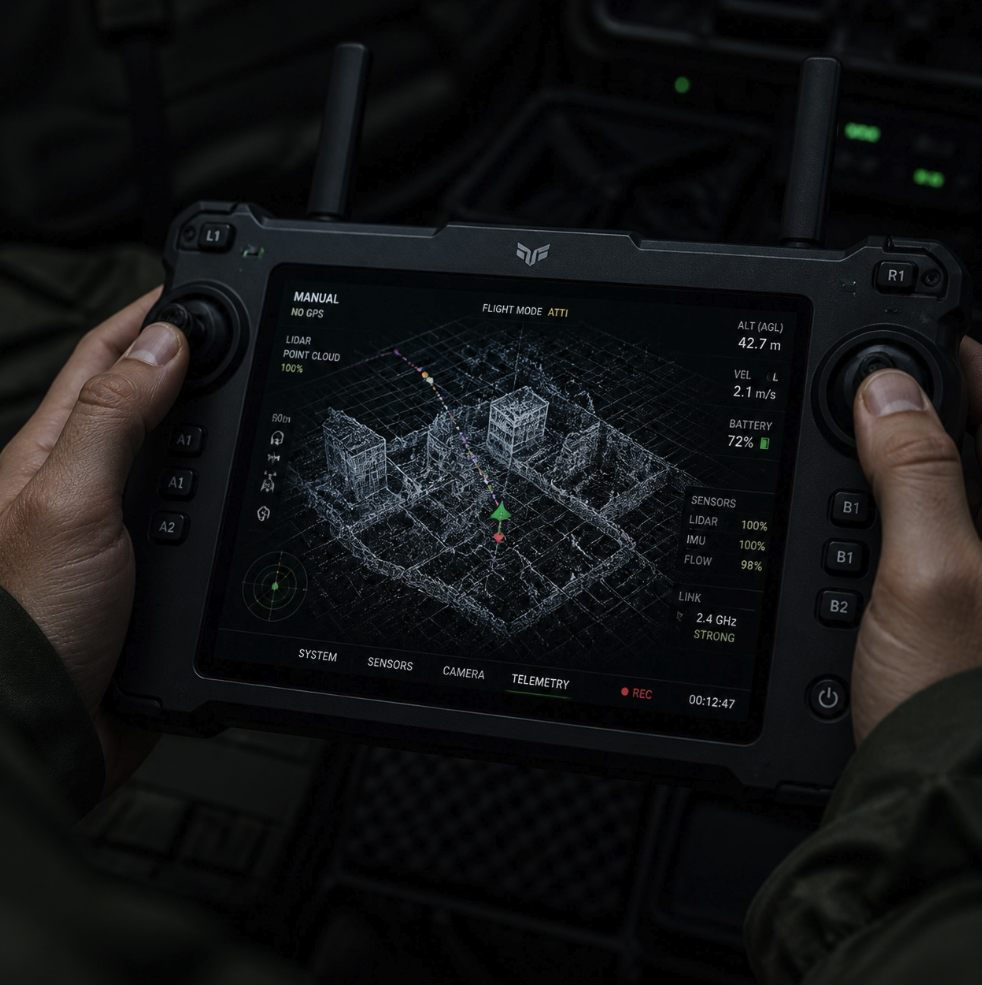
Caption: Precision control in action. This is the difference between an amateur operator and an elite specialist.
Where Specialized Operations Truly Live
Specialized operations rarely happen in wide-open, forgiving airspace. They happen in the environments most operators avoid.
That includes broadcast environments, where timing defines success and the drone has to move in lockstep with the production. It includes confined spaces, where ceilings are low, pathways are narrow, and the stakes rise with every inch. It includes infrastructure and inspection work, where the goal is not just imagery but high-fidelity data and precise access to critical points. And it includes signal-limited environments, where automation drops away and manual skill takes over.
These are the places where the gap between average and exceptional becomes obvious immediately.
For companies operating in Brevard, Indian River, and St. Lucie counties, these specialized operations can directly support safer execution, stronger positioning, and better contract opportunities. Whether it's a major inspection service on the Treasure Coast or a high-stakes special event in Melbourne, precision is the baseline. As SKYVISION continues serving these Florida counties and prepares for broader national expansion, that capability becomes an even stronger competitive advantage.
The SkyVision Network: Built for Capability
At SKYVISION, this is exactly what our network is built for.
When the mission requires precision, availability is not enough. You need capability.
We work with pilots who have flown without the safety net of GPS, operated inside tight and unforgiving industrial environments, executed live high-pressure moments without error, and built the kind of discipline that treats every movement as mission-critical.
That is what defines the SKYVISION Network. Not just operators, but precision operators. We don’t just capture footage; we capture market share by delivering the technical reliability and execution that high-stakes environments demand.
Project vs. Ongoing Support
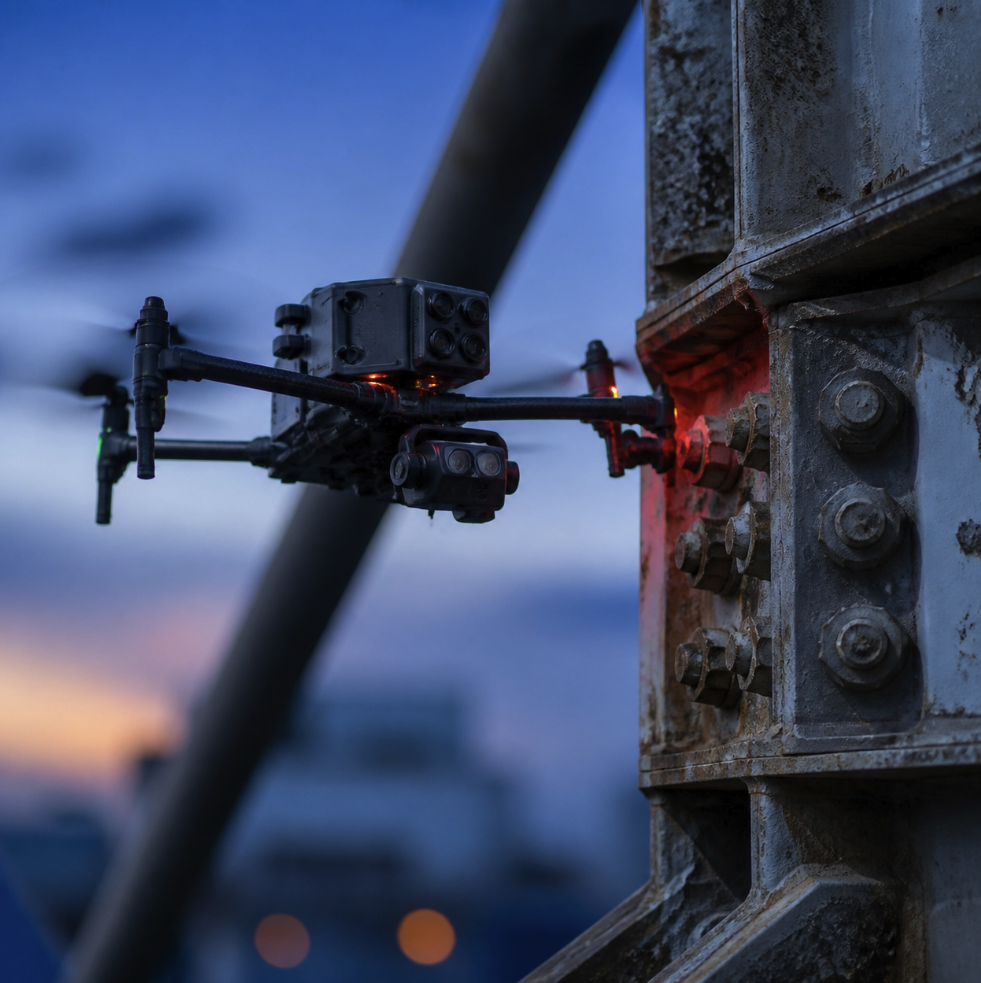
Sometimes that level of precision is needed for one mission only: a live broadcast, a confined inspection, or a complex capture that has to be executed exactly as planned.
Other times, it becomes part of ongoing operational support. The scope may change, but the expectation does not. You still need the same control, consistency, and execution every time the drone goes up.
Different scopes. Same standard. Precision, every time.
Whether you are a general contractor looking for regular structural oversight or a roofing company that needs pinpoint accuracy for documentation and trust-building, our specialized operations model is built to scale with your needs.
The Verdict
In the end, not every drone job is the same.
Some projects are about content. Some are about perspective. And some, especially the ones with the highest stakes, require a level of execution where everything depends on getting it right the first time.
In those moments, it is not about the drone. It is about who is flying it.
If your next mission affects safety, operations, or your ability to win the right work, this is not the place to compromise. Secure your Visual Authority with a partner that treats every flight as a precision operation.
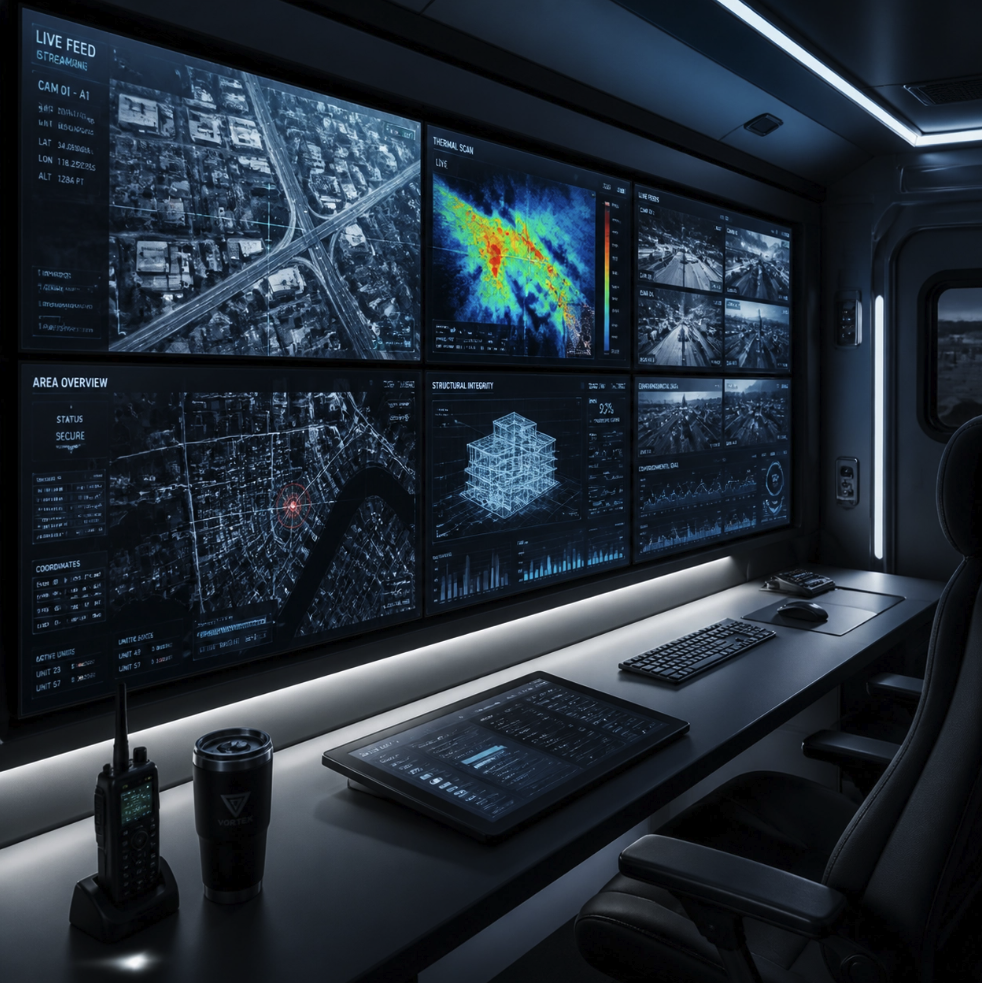
Caption: The SKYVISION high-tech drone operations command center.
The Bottom Line: Precision or Risk
The professional drone industry is at a crossroads. Businesses that embrace high-stakes precision operations are securing the most complex and profitable contracts, while those relying on basic consumer-grade flying are being left behind in high-risk environments.
Visual Authority is the currency of the future. By deploying precision operators who can navigate GPS-denied spaces and live broadcasts, you are not just getting footage. You are ensuring operational reliability that supports your premium positioning.
Ready to take your operations to the elite level?
Book a Discovery Call today and let’s start capturing your market share.
See you on the mission,
The SKYVISION Team